





NFT Market Manipulation The Fine Line Between Trading and Gambling
NFT Market Manipulation: The Fine Line Between Trading and Gambling
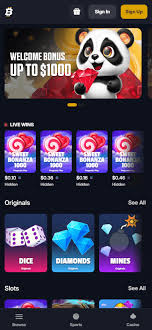
The rise of Non-Fungible Tokens (NFTs) has captivated a worldwide audience, creating an entirely new marketplace for digital art, collectibles, and other unique assets. Unlike traditional cryptocurrencies, each NFT has distinct properties that render it unique, fostering a culture of ownership and exclusivity. However, as with any rapidly growing market, the potential for manipulation looms large. The world of NFTs is reminiscent of the far less regulated world of gambling, primarily when individuals engage in speculative trading without fully understanding the risks. For these reasons, the topic of NFT Market Manipulation vs Gambling Behavior Bitfortune app can be tied into discussions around gambling in the context of NFT trading practices.
Understanding NFTs
NFTs represent ownership of a unique item on a blockchain, typically Ethereum. They have gained immense popularity for their ability to provide provenance and verifiable ownership. From digital art and music to virtual real estate, NFTs have transformed how we consider ownership in the digital age. However, their market has become a breeding ground for speculation, making it increasingly susceptible to manipulation.
The Mechanisms of Market Manipulation
In trading environments, market manipulation can take many forms, including wash trading, pump-and-dump schemes, and the creation of false scarcity. In the NFT space, wash trading is particularly rampant. Artists or collectors can create multiple accounts, buying and selling their NFTs among themselves to artificially inflate prices. This creates a mirage of value, enticing unsuspecting buyers to invest heavily, only to be left with devalued assets when the manipulators exit the market.
Pump-and-dump schemes also proliferate in NFT markets. Here, a group of investors may hype a specific NFT or collection on social media, driving demand and prices sky-high. Once a sufficient number of buyers have jumped in, the organizers sell off their assets at the inflated price, leaving later investors with losses as the market corrects itself. The decentralized nature of NFT marketplaces complicates regulatory oversight, making it a hotbed for such manipulative practices.

Comparing NFTs and Gambling
At first glance, investing in NFTs and gambling may appear to be vastly different activities; however, they share several similarities. Both involve elements of chance, speculation, and a degree of risk tolerance. When one invests in limited-edition NFTs or the latest digital art, they are essentially betting on the future value of that asset—much like placing a bet in a casino. In both scenarios, the outcomes are uncertain, and potential buyers or players can significantly underestimate their risks.
Moreover, just as casinos use incentives and marketing strategies to draw in clients, NFT projects often employ similar tactics. The creation of “exclusive drops,” limited edition artworks, and celebrity endorsements can stir excitement and hype, creating a sense of urgency among prospective buyers. Both markets thrive on the psychology of FOMO (Fear Of Missing Out), pressuring people to make impulsive decisions.
Responsibility and Investor Education
Whether one is venturing into the world of NFTs or engaging in gambling, education becomes crucial. Investors must perform due diligence before making purchases, understanding both the assets and the marketplaces in which they trade. NFT enthusiasts should seek insights into an artist’s or project’s history, past performances, and real market data. Simultaneously, gamblers should be aware of the odds and rules associated with any game they engage in.
It’s important to remember that while both activities can yield profits, they can also lead to significant losses. Responsible investing is essential for maintaining one’s financial health. This includes setting limits, diversifying one’s portfolio (in NFTs, cryptocurrencies, and traditional markets), and avoiding the allure of schemes that promise quick returns.
The Role of Regulation
While gambling industries are subject to significant regulation in many countries, the NFT space remains relatively unregulated. This absence of oversight makes it harder to curtail manipulative practices and fraudulent activities. Regulatory bodies may soon catch up, though, as the market continues to evolve. Implementing stricter regulations could help protect investors and foster a more stable market, ensuring that it doesn’t fall into chaos akin to gambling addiction issues.
As governments worldwide consider legislation around digital assets, NFT creators, marketers, and buyers will need to stay informed about changing regulations. Consumers should advocate for transparency in the markets, and we may eventually see more frameworks developed to safeguard against manipulation and to highlight responsible trading practices.
The Future of NFTs and Market Integrity
As the NFT landscape shifts and matures, discussions about market integrity and manipulation must come to the forefront. Within these discussions, it is vital to address the psychological parallels between NFT investing and gambling behavior. Ultimately, the NFT market’s future hinges on establishing a balance—ensuring that it remains a space for creativity and innovation while reducing the impact of harmful speculative behavior that can endanger aspiring investors.
In summary, while the NFT market may be a bastion for digital creativity and ownership, it is increasingly strained by market manipulation and the psychological behavior that aligns with gambling. Investors must engage thoughtfully, armed with knowledge while remaining vigilant against the pitfalls that both markets present. As individuals navigate these opportunities and challenges, it becomes imperative to foster an environment that promotes ethical practices, informed decision-making, and responsible investing.

Facebook / Twitter
Rua virgílio val n.° 86 - centro viçosa - mg 2° andar
 acessar versão móvel