





The psychology of risk understanding the mental effects of gambling
The psychology of risk understanding the mental effects of gambling
The Nature of Gambling and Risk
Gambling is a complex activity that intertwines excitement with the inherent risk of losing money. At its core, gambling can be viewed as a psychological gamble, where individuals weigh potential rewards against the likelihood of negative outcomes. The thrill associated with risk often amplifies the excitement, leading many to underestimate the potential consequences of their actions. For those eager to explore this further, you can read more about how various betting options work.

This psychological dance between risk and reward is not merely a matter of chance; it involves deeply ingrained mental processes. Cognitive biases, such as the illusion of control, can lead gamblers to believe they have more influence over the outcome than they actually do. Understanding these biases is crucial for recognizing how they can affect decision-making in gambling scenarios.
The Emotional Impact of Gambling
The emotional landscape of gambling is marked by highs and lows that can deeply affect an individual’s mental state. Winning can induce feelings of euphoria, while losing can lead to despair and regret. This emotional rollercoaster is part of what makes gambling so addictive for some individuals, as they chase the next high or attempt to recover losses.
Moreover, the emotional responses to gambling can lead to risky behaviors. Gamblers might persist in playing even after experiencing significant losses, driven by a desperate desire to regain control or validate their past decisions. This emotional turmoil can further entrap individuals in a cycle of risk-taking that is difficult to break.
The Role of Cognitive Dissonance
Cognitive dissonance plays a significant role in the psychology of gambling. This phenomenon occurs when individuals experience discomfort due to holding contradictory beliefs or behaviors, such as recognizing that gambling is risky while simultaneously engaging in it. To alleviate this discomfort, many gamblers may rationalize their actions, convincing themselves that they can beat the odds or that a win is just around the corner.
This rationalization can be detrimental, as it distorts reality and leads to continued engagement in risky gambling behaviors. Understanding cognitive dissonance is essential for both gamblers and those helping them, as it highlights the internal conflict that often drives compulsive gambling and impedes recovery efforts.
Social Influences and Gambling Behavior
Social dynamics play a crucial role in shaping gambling behavior. Peer influence and societal perceptions of gambling can either encourage or deter individuals from participating in gambling activities. For many, the social aspect of gambling—whether it’s bonding with friends over a game or participating in community events—can amplify the perceived benefits of taking risks.
Conversely, negative social stigma surrounding gambling can lead to feelings of shame and isolation for those who struggle with addiction. This duality underscores the importance of understanding social contexts and how they impact individual decision-making in gambling scenarios, as well as the need for supportive environments to promote healthier choices.
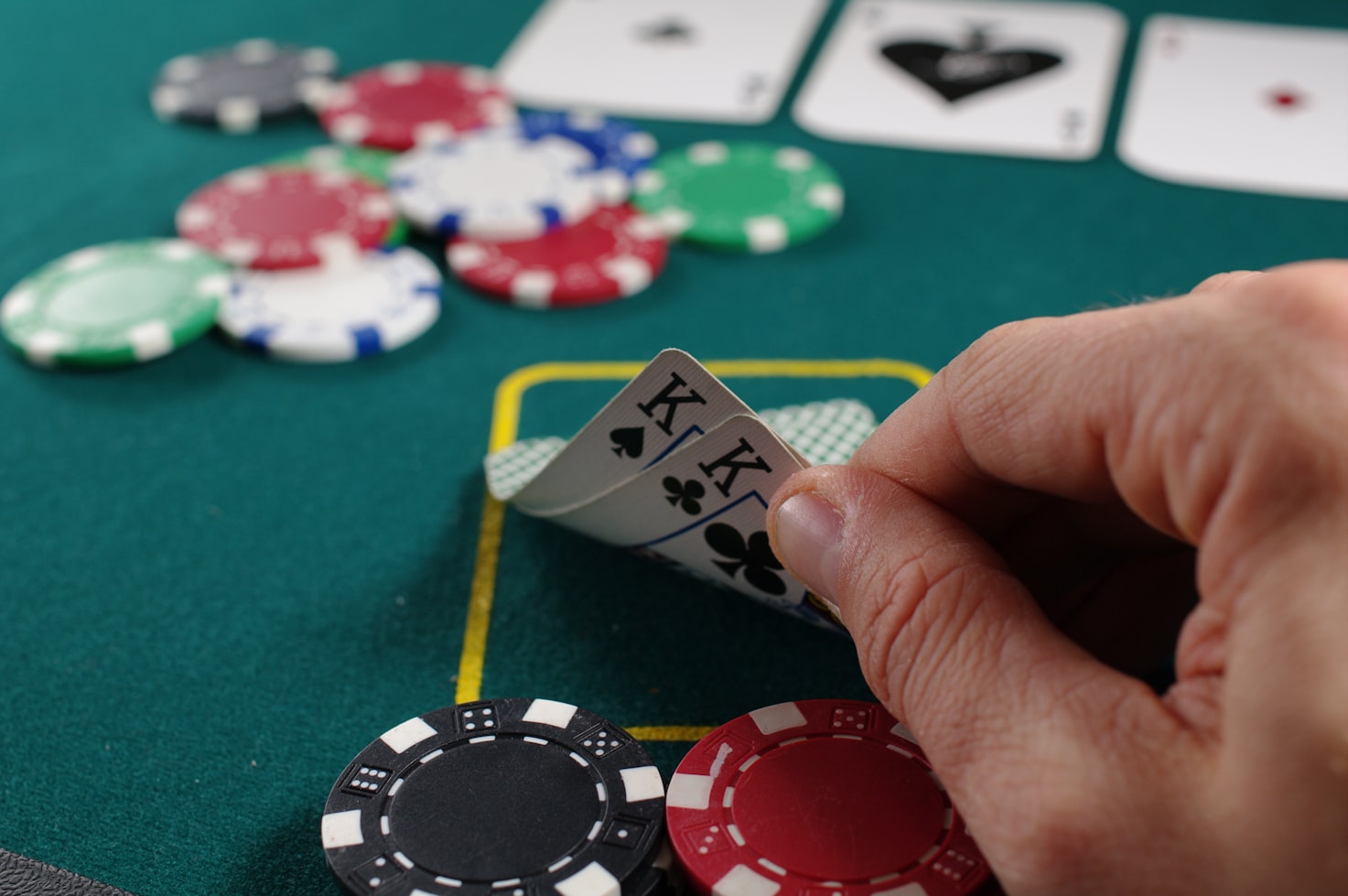
Understanding Gambling through Expert Analysis
Exploring the psychology of gambling requires a nuanced understanding of the mental effects associated with risk. By examining individual experiences and societal influences, experts can provide valuable insights into why people gamble and the psychological mechanisms that drive their behavior. This knowledge is vital for developing effective interventions and support systems for those affected by gambling-related issues.
In the realm of gambling, informed choices are critical. Understanding the psychology behind risk can help individuals recognize their triggers and manage their behaviors more effectively. Engaging with expert analyses and resources can empower gamblers to make more informed decisions, ultimately fostering a healthier relationship with gambling.

Facebook / Twitter
Rua virgílio val n.° 86 - centro viçosa - mg 2° andar
 acessar versão móvel