


The evolution of gambling A historical perspective on games of chance
The evolution of gambling A historical perspective on games of chance
The Origins of Gambling
The history of gambling dates back to ancient civilizations, where games of chance were integral to cultural practices. Archaeological findings suggest that as early as 3000 BC, the Chinese were playing rudimentary forms of gambling using tiles. The practice of casting lots can also be traced back to Biblical times, highlighting the universal appeal of games of chance across various cultures. Today, many people enjoy modern adaptations, such as online pokies, which offer exciting gameplay and accessibility.

In ancient Rome and Greece, gambling became a popular pastime among the elite and commoners alike. Romans enjoyed betting on gladiatorial contests and chariot races, showcasing not just a fascination with risk, but also a deep-rooted tradition of social betting. This early form of gambling laid the groundwork for more structured games that would evolve over the centuries.
The Rise of Formalized Games
The Middle Ages saw the emergence of more formalized gambling games, primarily through the introduction of playing cards, which originated in China and spread across Europe by the 14th century. The popularity of card games led to the establishment of gambling houses and the creation of various games like poker and blackjack, which are now staples in the gambling world.
This period also marked the beginning of legal gambling, as governments recognized the potential tax revenue from regulated betting activities. The first recorded lottery appeared in the 15th century in Europe, aiming to raise funds for public projects. This development signaled a shift towards a more organized approach to gambling, reflecting its growing acceptance in society.
The Industrial Revolution and Gambling Expansion
The Industrial Revolution in the 18th and 19th centuries further revolutionized the gambling landscape. The advent of technology allowed for the development of new games and gambling devices, such as slot machines. Initially introduced in bars and saloons, these machines quickly gained popularity due to their simplicity and ease of use.
As cities expanded and populations grew, so did the accessibility of gambling. The establishment of racetracks and casinos attracted a wider audience, making gambling a mainstream activity. During this time, regulation continued to evolve, leading to the establishment of gaming commissions to oversee fair play and protect consumers.
The Modern Era of Gambling
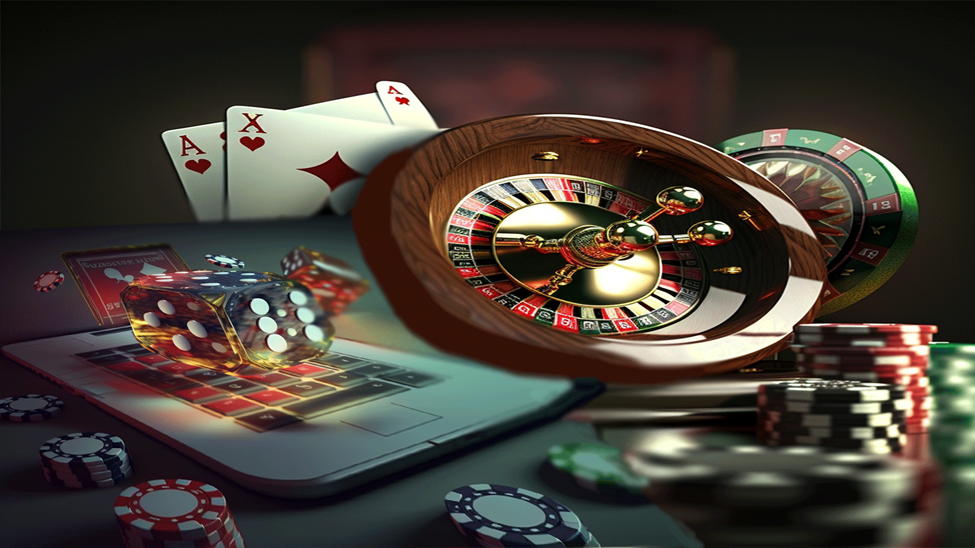
The late 20th and early 21st centuries marked the emergence of online gambling, which transformed the way people engage with games of chance. The introduction of the internet allowed gamblers to access a myriad of games from the comfort of their homes, with online casinos offering everything from poker to virtual slots.
This digital revolution also brought about challenges regarding regulation and safety. Governments around the world began to formulate laws to govern online gambling, ensuring fair practices and consumer protection. As technology continues to advance, innovations like mobile gambling and live dealer games are making gambling even more accessible and immersive.
Exploring the Online Gambling Landscape
Today, online gambling platforms provide a vast array of options for players, catering to diverse preferences and interests. From traditional games like roulette to cutting-edge virtual reality experiences, the choices are virtually limitless. Players can enjoy various benefits, including bonuses, loyalty programs, and fast withdrawal options, enhancing their overall experience.
With the ongoing evolution of technology and regulations, the landscape of gambling continues to adapt, ensuring a safe and enjoyable experience for both new and experienced players. As this field advances, it becomes crucial for users to stay informed about the latest trends and legalities to make the most of their gambling journey.

Facebook / Twitter
Rua virgílio val n.° 86 - centro viçosa - mg 2° andar
 acessar versão móvel