





Exploring the psychology behind casino gambling What keeps players coming back
The Allure of Risk and Reward
The fundamental psychology behind casino gambling is deeply rooted in the concepts of risk and reward. Players are often drawn to the thrill of uncertainty, where each spin of a slot machine or turn of a card could lead to significant financial gain. This element of unpredictability activates the brain’s reward system, releasing dopamine, a neurotransmitter associated with pleasure. Such biochemical responses are compelling motivators, encouraging players to chase the high of potential wins while simultaneously ignoring the odds stacked against them. In fact, many players look for ways to increase their chances, leading them to explore options like poker online real money.
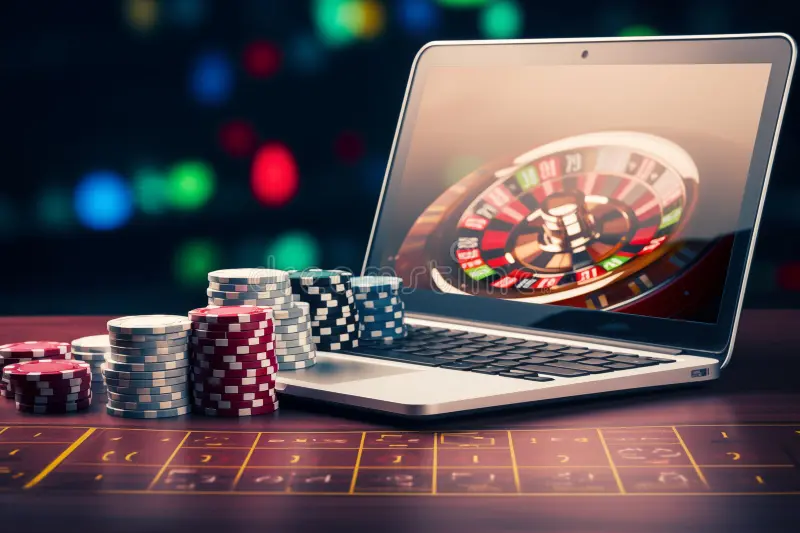
Moreover, the anticipation that comes with gambling creates a psychological rollercoaster. The suspense before a big win or loss engages the mind in a way that few other activities can, leading gamblers to return for that exhilarating experience. This cycle of risk and reward becomes an emotional journey, drawing players back into the casino environment time and again.
The Role of Cognitive Biases
Cognitive biases play a significant role in gambling behavior, influencing how players perceive their chances of winning. One common bias is known as the “gambler’s fallacy,” which is the belief that past events influence the likelihood of future outcomes. For instance, a player may believe that if a particular slot machine hasn’t paid out recently, it is “due” for a win. This misinterpretation of probability keeps players engaged, as they rationalize their decisions in favor of continued play.
Additionally, the illusion of control can further perpetuate gambling habits. Some players believe they can influence the outcome of games through skill or strategy, even in games predominantly based on chance. This sense of agency can lead to increased participation and a reluctance to quit, reinforcing the cycle of gambling and the psychological trap it can create.
The Social Aspects of Gambling
Casino gambling is often a social activity that can enhance the experience for many players. Engaging with friends or meeting new people in a vibrant casino environment adds a communal aspect that is psychologically satisfying. The social interactions, whether celebratory or sympathetic, offer players a sense of belonging and camaraderie that can be addictive in its own right.
Furthermore, casinos frequently create an atmosphere designed to encourage socialization, with amenities such as bars, restaurants, and entertainment options. This encourages players to spend more time and money at the casino. The sense of community and the shared experience of gambling can be powerful motivators for returning, as players often seek to recreate those enjoyable social interactions.
The Psychological Escapism of Gambling
Many individuals turn to gambling as a form of escapism, seeking a temporary relief from the stresses of daily life. Casinos provide a distraction, immersing players in an alternate reality where their concerns can be momentarily forgotten. The bright lights, sounds, and excitement of the gaming floor create a sensory experience that can be intoxicating.
This escapism can be particularly appealing for those facing challenges in their personal or professional lives. The chance to win money and the thrill of the game can serve as a coping mechanism, allowing individuals to forget their troubles, even if just for a few hours. However, this can also lead to problematic behaviors, as the desire to escape can overshadow the risks associated with gambling.
Join Us in Understanding Cognitive Processes
At wearecognitive.com, we are dedicated to exploring the intricacies of cognitive science and human behavior, including the fascinating psychology behind casino gambling. Our platform offers a wealth of resources that delve into various aspects of cognitive processes, providing insights that can enhance your understanding of why individuals engage in gambling and what keeps them coming back.
Whether you are a student, a researcher, or simply curious about cognitive science, we invite you to join us in exploring the compelling connections between psychology and gambling. Stay informed with the latest articles, research, and expert opinions that will deepen your understanding of this intriguing subject and more.

Facebook / Twitter
Rua virgílio val n.° 86 - centro viçosa - mg 2° andar
 acessar versão móvel